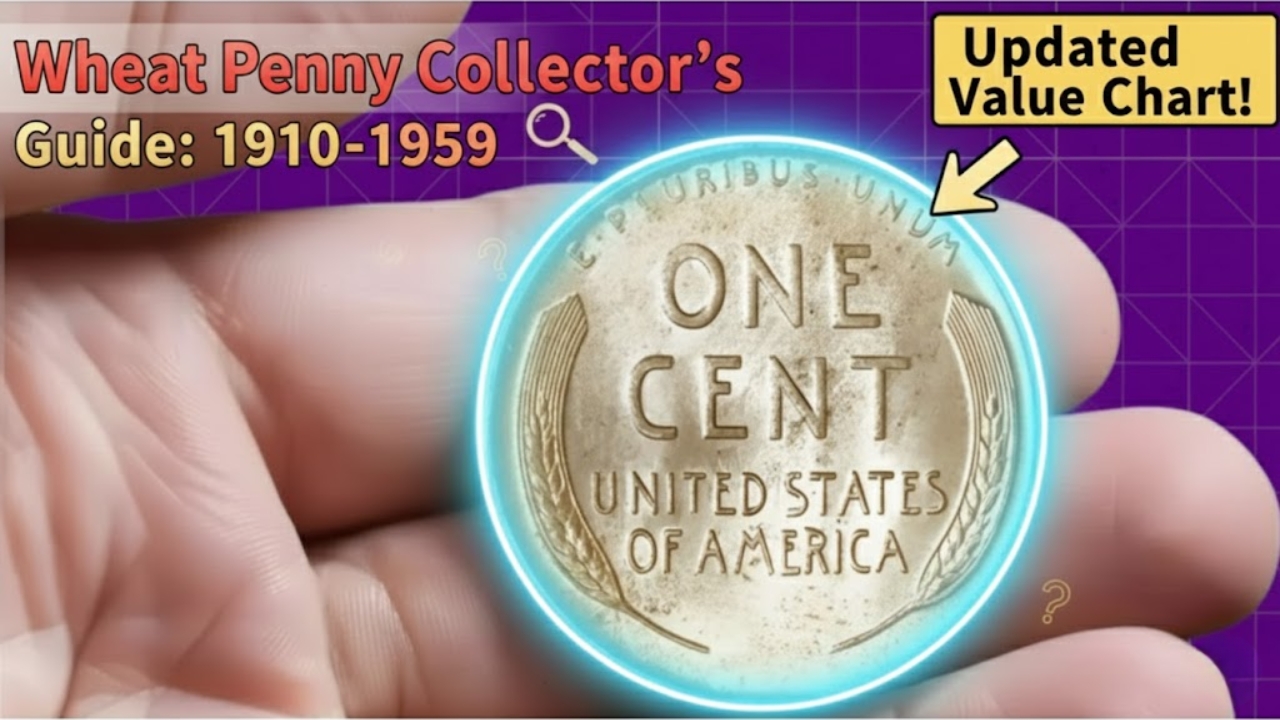
The Wheat Penny Price Chart covering 1910 to 1959 serves as an essential reference for coin collectors, investors, and history enthusiasts alike. These iconic Lincoln Wheat cents represent one of the most collected U.S. coins, valued for their historical significance, rarity variations, and steady demand in the numismatic market.
From common circulated pieces to rare mint errors and low-mintage years, Wheat Pennies offer something for every level of collector. This guide delivers a clear, professional overview of values, factors influencing prices, and what makes certain dates highly desirable.
Key Highlights
This updated Wheat Penny value guide focuses on critical insights collectors should know:
- Covers Lincoln Wheat cents minted from 1910 to 1959
- Includes common, semi-key, and key date values
- Reflects average collector market pricing
- Explains how condition impacts coin worth
- Highlights rare mint marks and error varieties
- Useful for beginners and advanced collectors
- Based on current numismatic demand trends
- Ideal for valuation, selling, or long-term collecting
Wheat Pennies remain one of the most accessible and rewarding U.S. coin series.

Historical Background
The Lincoln Wheat Penny was introduced in 1909 to commemorate the 100th anniversary of Abraham Lincoln’s birth. It became the first U.S. circulating coin to feature a real historical figure.
Key historical notes include:

- Designed by Victor David Brenner
- Obverse features Abraham Lincoln
- Reverse displays two wheat stalks framing “One Cent”
- Minted from 1909 to 1958
- Replaced by the Lincoln Memorial reverse in 1959
- Composed primarily of 95 percent copper until 1943
- Produced at Philadelphia, Denver, and San Francisco mints
These coins circulated during major historical events, adding to their appeal.
Understanding Wheat Penny Values
Wheat Penny values depend on several important factors that collectors should carefully evaluate.
Primary value drivers include:
- Year of minting
- Mint mark location and rarity
- Overall condition or grade
- Presence of errors or varieties
- Original luster and surface quality
- Collector demand for specific dates
Even common dates can become valuable in higher grades.

Wheat Penny Price Chart Overview (1910–1959)
Below is a general value overview based on circulated and uncirculated examples. Prices reflect typical market ranges and may vary.
Common Date Wheat Pennies:
- 1910–1919: $0.25 to $2 in circulated condition
- 1920–1929: $0.10 to $1.50 depending on wear
- 1930–1939: $0.05 to $1 for most circulated coins
- 1940–1949: $0.03 to $0.50 for standard circulation
- 1950–1958: $0.03 to $0.30 in circulated grades
Uncirculated examples from any decade can command significantly higher premiums.
Key Dates and High-Value Coins
Certain Wheat Pennies stand out due to low mintage or collector demand.

Notable key and semi-key dates include:
- 1909-S VDB: One of the most valuable Wheat Pennies
- 1914-D: Highly sought after in all grades
- 1922 No D: Famous mint error with strong value
- 1931-S: Low mintage during the Great Depression
- 1943 Copper Penny: Rare wartime error worth thousands
These coins often require authentication due to frequent counterfeiting.
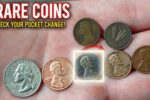
Mint Marks and Their Impact
Mint marks play a critical role in determining Wheat Penny values.
Mint mark details include:

- No mint mark indicates Philadelphia
- D represents Denver
- S represents San Francisco
- Mint mark location appears below the date
- Certain years have dramatic value differences by mint
Collectors should always check mint marks carefully.
Condition and Grading Explained
Coin condition is one of the most important value factors.

Common grading categories include:
- Good: Heavy wear, design still visible
- Fine: Moderate wear with clear details
- Extremely Fine: Light wear, sharp features
- About Uncirculated: Minimal wear, strong luster
- Mint State: No circulation wear, original surfaces
Professional grading services can significantly increase buyer confidence.
Errors and Varieties
Wheat Penny errors and varieties can dramatically increase value.
Popular error types include:
- Double die obverse or reverse
- Off-center strikes
- Repunched mint marks
- Broadstrikes
- Wrong planchet errors
Collectors actively seek these unique and scarce variations.
Collecting and Investment Appeal
Wheat Pennies remain popular due to affordability, history, and strong collector demand.
Reasons collectors favor Wheat Pennies:
- Wide availability across budgets
- Deep historical significance
- Numerous collectible varieties
- Strong long-term collector interest
- Ideal entry point for new numismatists
Many collectors assemble complete date-and-mint sets.
Storage and Preservation Tips
Proper storage is essential to maintain coin value.
Best practices include:
- Store in acid-free coin holders
- Avoid touching surfaces with bare fingers
- Keep coins in a dry, stable environment
- Avoid PVC-based plastic holders
- Separate high-value coins from bulk storage
Well-preserved coins retain stronger resale potential.
Pricing Trends and Market Outlook
The Wheat Penny market has shown consistent stability over time.
Current market trends include:
- Steady demand for key dates
- Increased interest in certified coins
- Rising premiums for high-grade examples
- Strong copper value support
- Continued popularity among new collectors
Wheat Pennies remain a reliable segment of the U.S. coin market.
Final Verdict
The Wheat Penny Price Chart from 1910 to 1959 highlights one of the most iconic and collectible coin series in American history. With values ranging from just a few cents to thousands of dollars for rare dates and errors, Wheat Pennies offer a perfect balance of accessibility, history, and investment potential.
Whether you are sorting through inherited coins, building a complete collection, or seeking long-term numismatic value, understanding Wheat Penny pricing is essential. These humble copper cents continue to capture the imagination of collectors generation after generation.