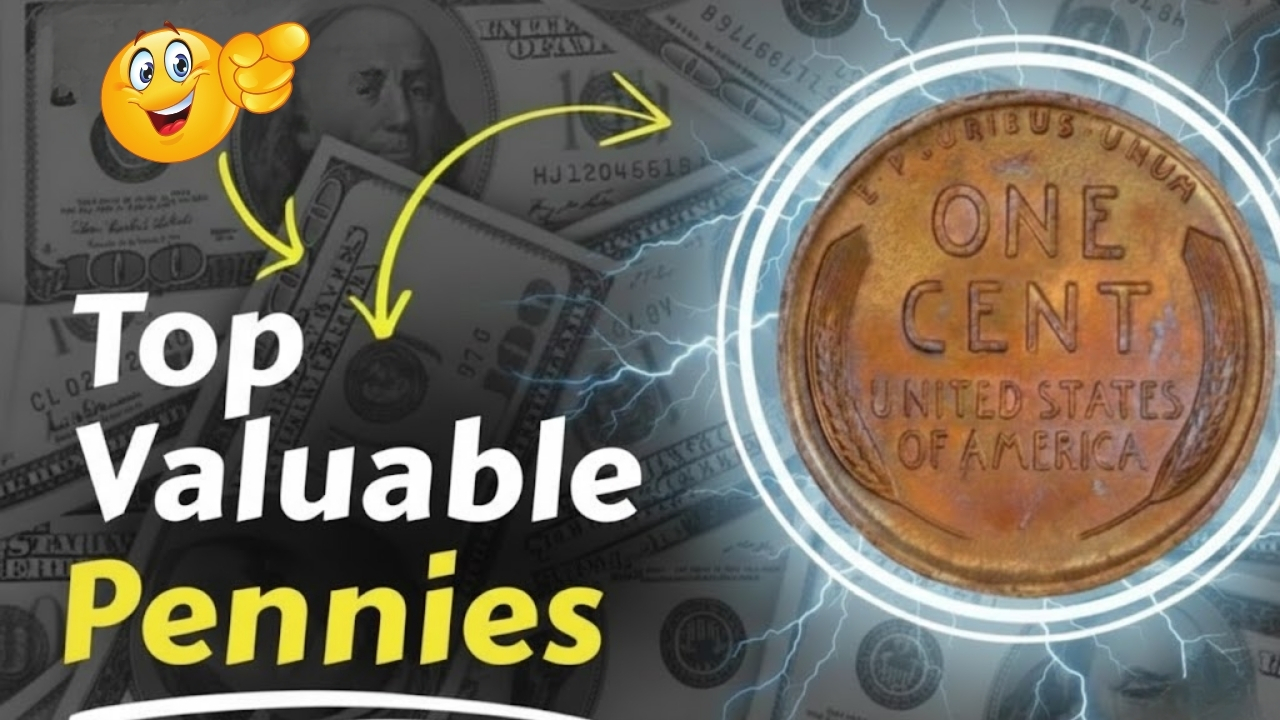
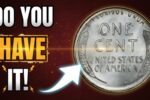
U.S. Wheat Pennies, minted between 1909 and 1958, are among the most iconic and collectible coins in American numismatic history. While most Wheat Pennies are worth only a few cents, a select group of rare errors, low-mintage issues, and historic anomalies have become legendary—commanding prices that reach hundreds of thousands or even millions of dollars.
From wartime mistakes to ultra-rare minting variations, these coins represent the pinnacle of coin collecting prestige and investment value.
Key Highlights
The most valuable U.S. Wheat Pennies share several defining characteristics:
- Extremely low production numbers
- Historical significance tied to major events
- Rare minting errors or metal composition anomalies
- Exceptional condition and preservation
- High demand among elite collectors
- Strong auction performance over decades
- Verified authentication and grading
These factors combine to transform ordinary-looking pennies into extraordinary treasures.
1. 1943 Bronze Wheat Penny
This coin is widely regarded as the most famous error coin in U.S. history.
Notable details include:
- Accidentally struck in bronze instead of steel
- Created during World War II copper conservation
- Fewer than 20 known examples
- Highly sought after by museums and private collectors
Estimated value ranges from $800,000 to over $2 million depending on condition.
2. 1944 Steel Wheat Penny
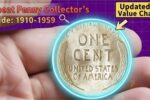
The reverse of the 1943 error, this coin was mistakenly minted in steel after copper production resumed.
Key facts include:
- Struck on leftover steel planchets
- Extremely limited surviving examples
- Strong magnetic properties
- Highly authenticated by top grading services
High-grade examples have sold for over $1 million.
3. 1909-S VDB Wheat Penny
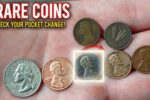
The first year of the Lincoln cent remains one of the most iconic collectibles.
Important features include:
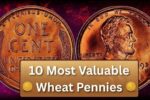
- Minted in San Francisco
- Designer Victor David Brenner’s initials visible
- Limited production of just 484,000
- Massive historical and collector demand
Top-condition specimens regularly exceed $100,000 in value.
4. 1914-D Wheat Penny
This coin is considered one of the key dates of the entire Wheat Penny series.
Why it matters:
- Extremely low mintage from the Denver Mint
- Heavy circulation reduced surviving examples
- Often counterfeited due to high value
- Strong auction competition
Well-preserved examples can fetch $150,000 or more.
5. 1922 No D Wheat Penny
A fascinating minting anomaly from the Denver Mint.
Key characteristics include:

- Missing mint mark due to die wear
- Only legitimate version came from Denver
- Several die variations exist
- High collector interest
High-grade coins regularly sell above $75,000.
6. 1931-S Wheat Penny
Produced during the Great Depression, this penny had limited output.

Important highlights:
- Very low mintage of 866,000
- Many saved, but few remain in pristine condition
- Popular among date-and-mint collectors
Top examples can exceed $60,000.
7. 1943 Copper-Coated Steel Penny
A rare transitional error with dramatic appearance.
Notable features:
- Steel core with copper plating
- Often mistaken for solid copper
- Extremely scarce verified examples
- Requires expert authentication
Values can reach $250,000 or more.
8. 1955 Double Die Obverse Wheat Penny
One of the most visually striking error coins ever produced.
Key identifiers include:
- Strong doubling on date and lettering
- Easily visible to the naked eye
- Popular even among casual collectors
- Significant numismatic fame
High-quality examples sell for $100,000+.
9. 1924-D Wheat Penny
Another difficult Denver Mint issue with low survival rates.
Why it’s valuable:
- Low mintage combined with heavy circulation
- Rare in uncirculated condition
- Strong collector demand
Top specimens can exceed $70,000.
10. 1909-S Wheat Penny (No VDB)
The second rarest coin from the first year of Lincoln cents.
Key details include:
- Limited San Francisco production
- VDB initials removed early
- Still highly collectible
High-grade versions often exceed $50,000.
11. 1911-S Wheat Penny
A lower-mintage San Francisco issue with strong appeal.
Highlights include:
- Limited production
- Scarce in high condition
- Steady appreciation over time
Premium examples sell for $40,000+.
12. 1917 Double Die Obverse Wheat Penny
An underappreciated but valuable error coin.
Key traits include:
- Doubling visible on date and inscriptions
- Limited known examples
- Increasing collector interest
High-grade coins can reach $50,000.
13. 1926-S Wheat Penny
Another San Francisco rarity with survival challenges.
Why collectors seek it:
- Heavy circulation reduced quality examples
- Scarce in mint condition
- Often undervalued historically
Top-tier coins can exceed $45,000.
14. 1958 Double Die Obverse Wheat Penny
The final Wheat Penny year produced a legendary error.
Key highlights include:
- Strong doubling across obverse
- Extremely rare with very few known
- Highly prized by error collectors
Authenticated examples have sold for over $300,000.
What Makes a Wheat Penny Valuable
Several factors determine the value of Wheat Pennies:
- Mint mark and production year
- Metal composition
- Minting errors or die varieties
- Condition and professional grading
- Authenticity verification
- Market demand and auction history
Even small differences can create massive value gaps.
How to Identify Rare Wheat Pennies
Collectors should look for:
- Unusual weight or magnetic behavior
- Doubling on text or dates
- Missing or incorrect mint marks
- Abnormal coloration
- Professional grading certification
Using magnification and expert evaluation is essential.
Final Verdict
U.S. Wheat Pennies are far more than simple pocket change—they are tangible pieces of American history that, in rare cases, are worth life-changing sums of money. From wartime minting errors to first-year masterpieces, these 14 Wheat Pennies represent the most valuable and desirable coins in the series.
Whether you are a seasoned numismatist or someone casually checking old jars of change, the possibility of discovering one of these rare treasures makes Wheat Pennies endlessly fascinating. In the world of coin collecting, few small copper coins carry such enormous historical and financial weight.